Somebody else already paid for this flying
Repositioning sectors
Empty leg helicopter flights, already going your way
When a helicopter drops passengers or freight somewhere, it has to fly home. Those return sectors used to go empty. Now you can buy a seat on one.
Seats on sectors an aircraft is flying anyway. Same operator, a fraction of charter.
- The aircraft is flying this sector either way
- Same operator, same pilot
- Typically 40–70% below charter
- Listed a day or two before it flies
- You take the date the aircraft is going
The board
Empty legs listed now
Checking what is listed…
Prices are per seat, times are local to the departure aerodrome, and seats close 90 minutes before the aircraft goes.
How it works
The same helicopter, at a fraction of the price
An empty leg is not a discount on a list price. It is spare capacity on a flight that is already happening, which is why it is cheap and why you cannot choose the date.
The operator has already paid for this flying
After dropping passengers at Lukla or freight at a base camp, the aircraft still has to get home. Selling the seats on that return sector recovers part of a cost that is spent either way.
- Typically 40 to 70 per cent below chartering the same aircraft for the same sector.
- The saving is largest on long repositioning legs, because that is where the sunk cost is largest.
- Same helicopter, same CAAN-certified operator, same pilot as the charter it came from.
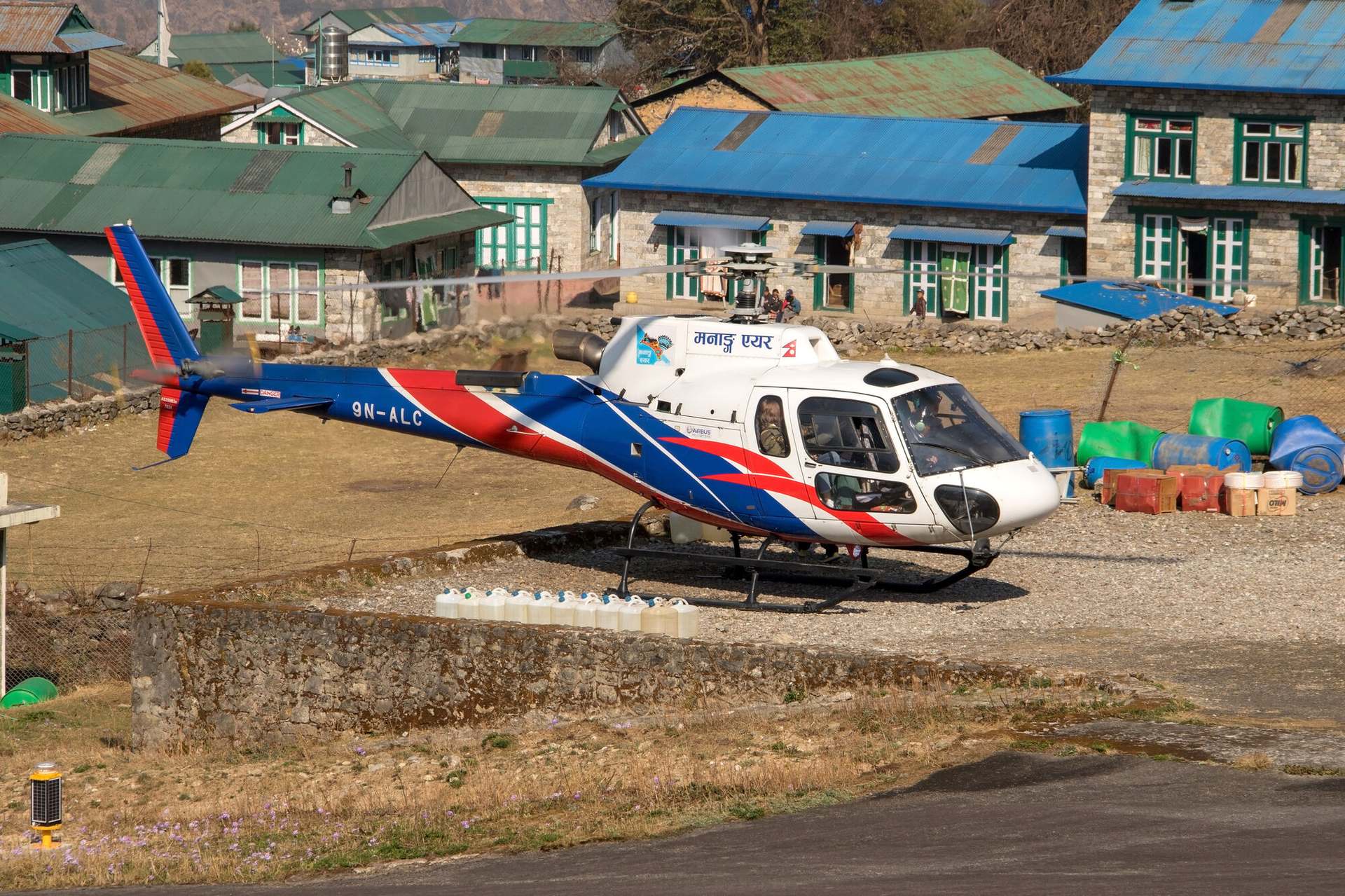
The aircraft goes when it goes, and it may not go at all
An empty leg exists because of somebody else's charter. If that charter moves or the weather closes the valley, the return sector moves with it — this is the real cost of the price, and it is the reason not to build a connecting flight around one.
- Listed a day or two before departure, occasionally the same morning.
- Rarely more than one on any given sector, and they go quickly.
- Cancelled legs are refunded in full — but a refund is not a flight.
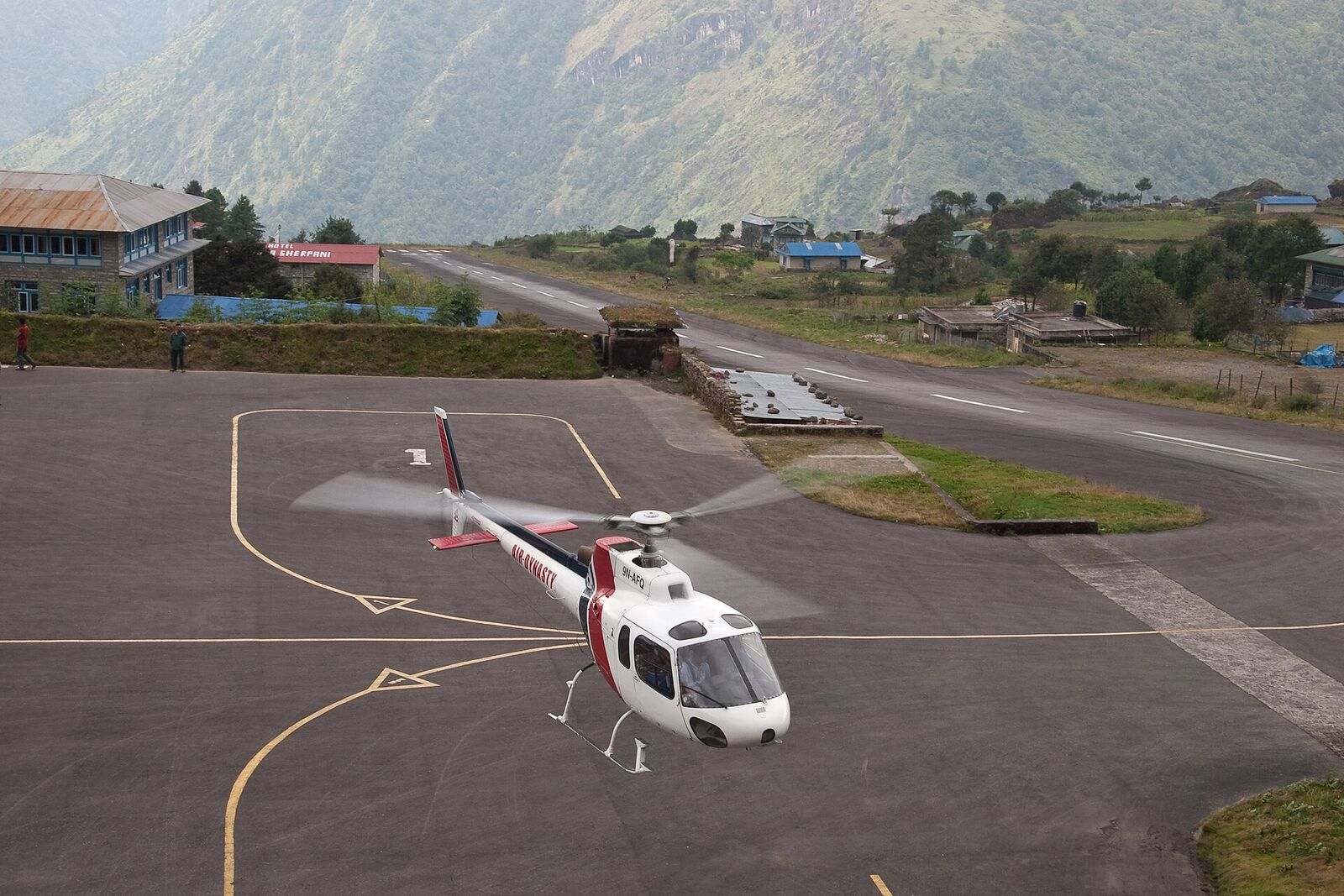
What happens between pressing the button and lifting
You are buying seats on somebody else's aircraft, so the manifest closes earlier than a charter's and the operator needs your weights to finish the load sheet. None of it is unusual — it is simply sooner.
- Seats close 90 minutes before departure so the operator's weight and balance is final.
- You are weighed like any other passenger — the 75 kg allowance, bags included, applies here too.
- Show the same photo identification you would for any flight in Nepal.
Before you book
FAQs
Price, notice, the catch, and what happens when the weather closes the valley.
What is an empty leg helicopter flight?
An empty leg is a sector a helicopter has to fly with nobody on board. After dropping passengers at Lukla or freight at a base camp, the aircraft still has to get home, and the operator has already paid for that flying. Selling the seats on that return sector recovers part of a cost that is spent either way, so the price is typically 40 to 70 per cent below chartering the same aircraft. It is the same helicopter, the same CAAN-certified operator and the same pilot — the only thing you give up is choosing the date and time, because the aircraft is going when it is going.
How much cheaper is an empty leg?
Usually 40 to 70 per cent below the charter price for the identical sector, and it is the cheapest way to fly a helicopter in Nepal by a wide margin. The saving is largest on long repositioning sectors, because that is where the operator's sunk cost is largest. There is no fixed discount, because there is no list price being discounted: the operator is pricing spare capacity on a flight already scheduled.
How far ahead do empty legs get listed?
Usually a day or two before departure, occasionally the same morning. They cannot be listed earlier because the leg only exists once the outbound charter is confirmed, and it disappears if that charter moves. There is rarely more than one on any given sector, and they go quickly. If nothing here matches your plan, having the desk price the leg with every operator is the better route — it costs nothing and comes back within four hours.
What happens if the empty leg is cancelled?
You are refunded in full. An empty leg exists because of somebody else's charter, so if that charter moves or the weather closes the valley the return sector moves with it — this is the real trade-off for the price, and it is the reason not to build a connecting flight around one. Seats close 90 minutes before departure so the operator's weight and balance is final, and you will be weighed like any other passenger.
For operators
Flying a sector empty?
List the return leg and recover part of a cost you have already spent. You set the seat price and you keep control of the manifest.