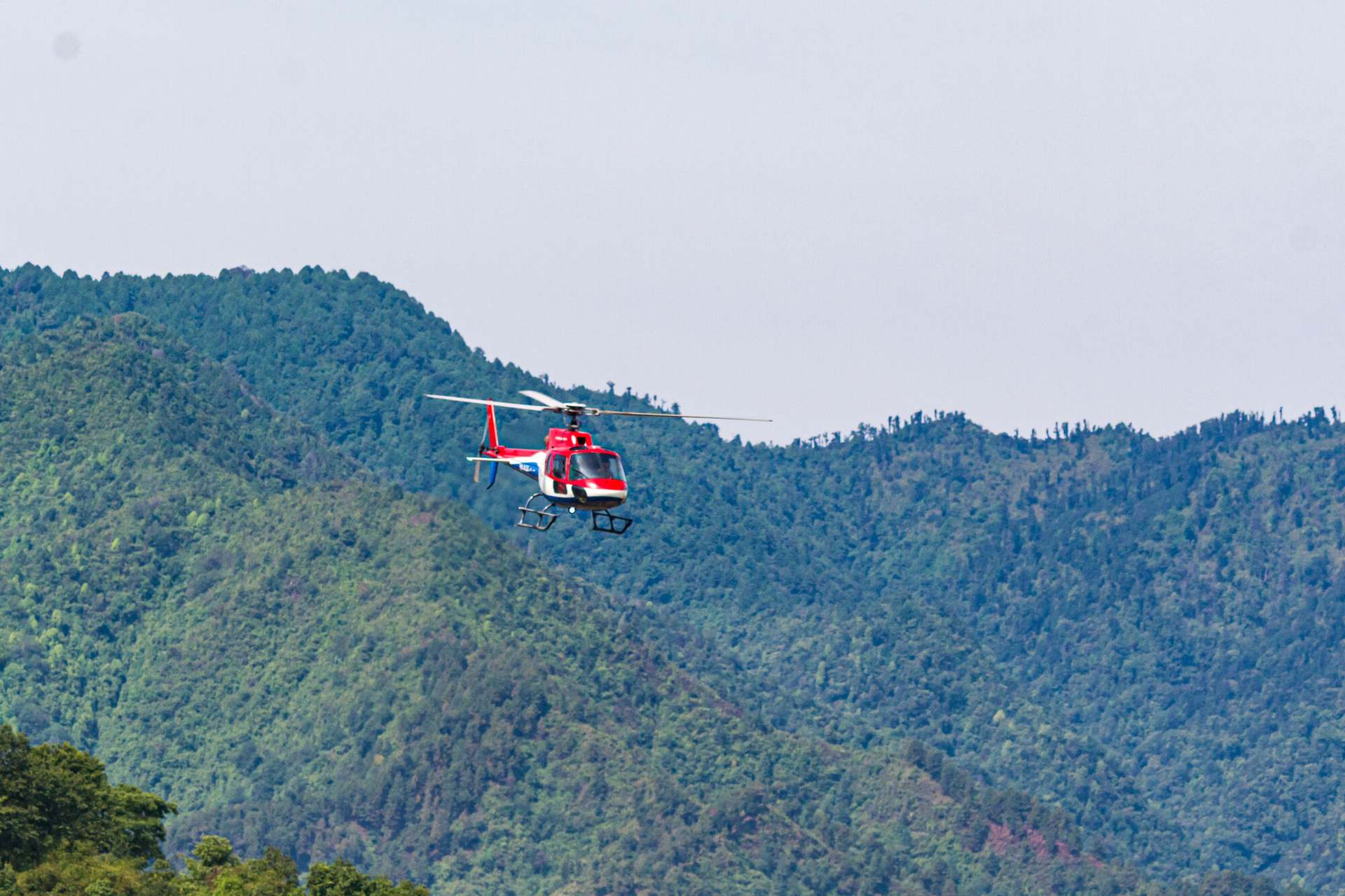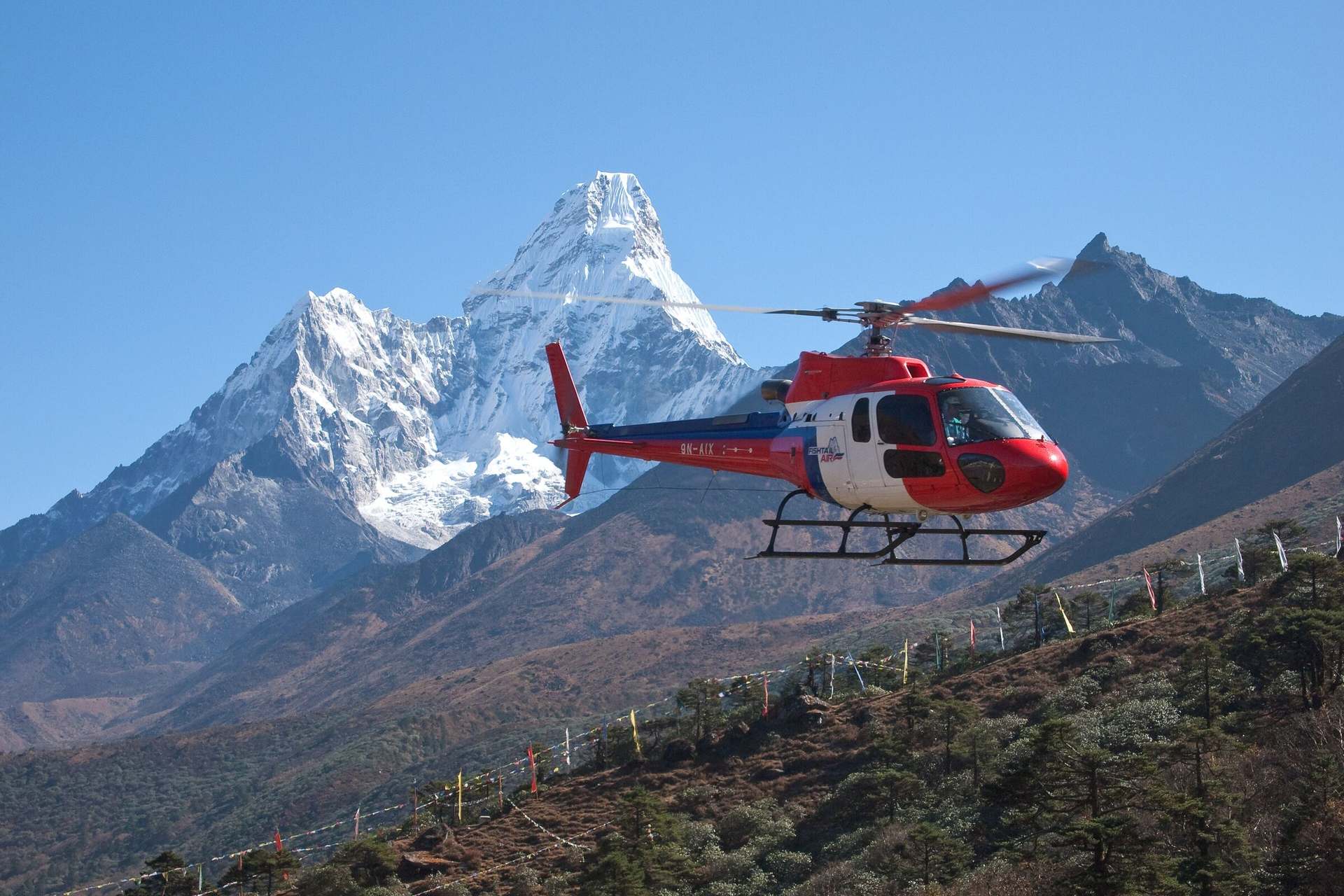
© Vyacheslav Argenberg / Wikimedia Commons · CC BY 4.0How Fast Do Helicopters Fly?
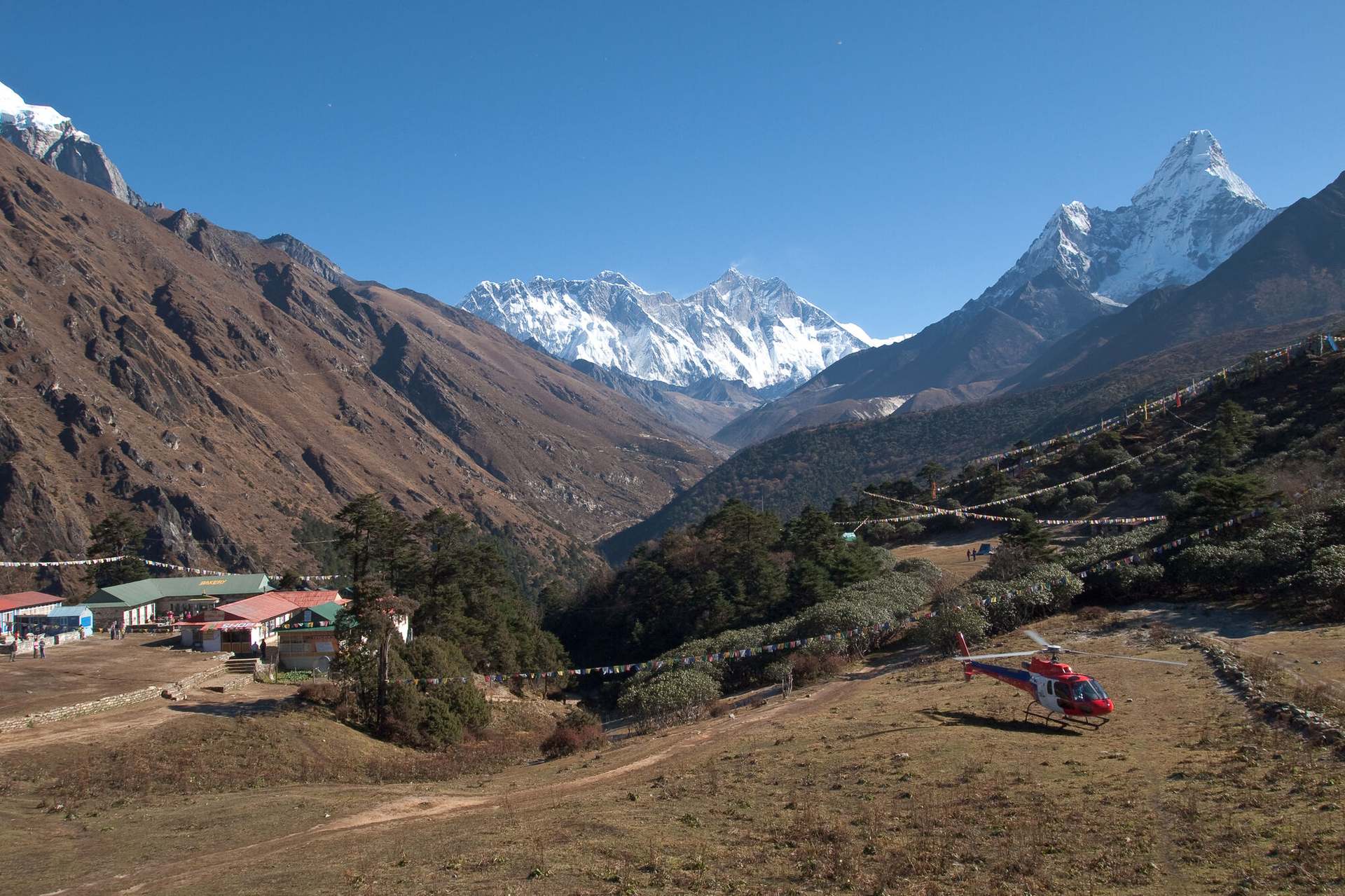
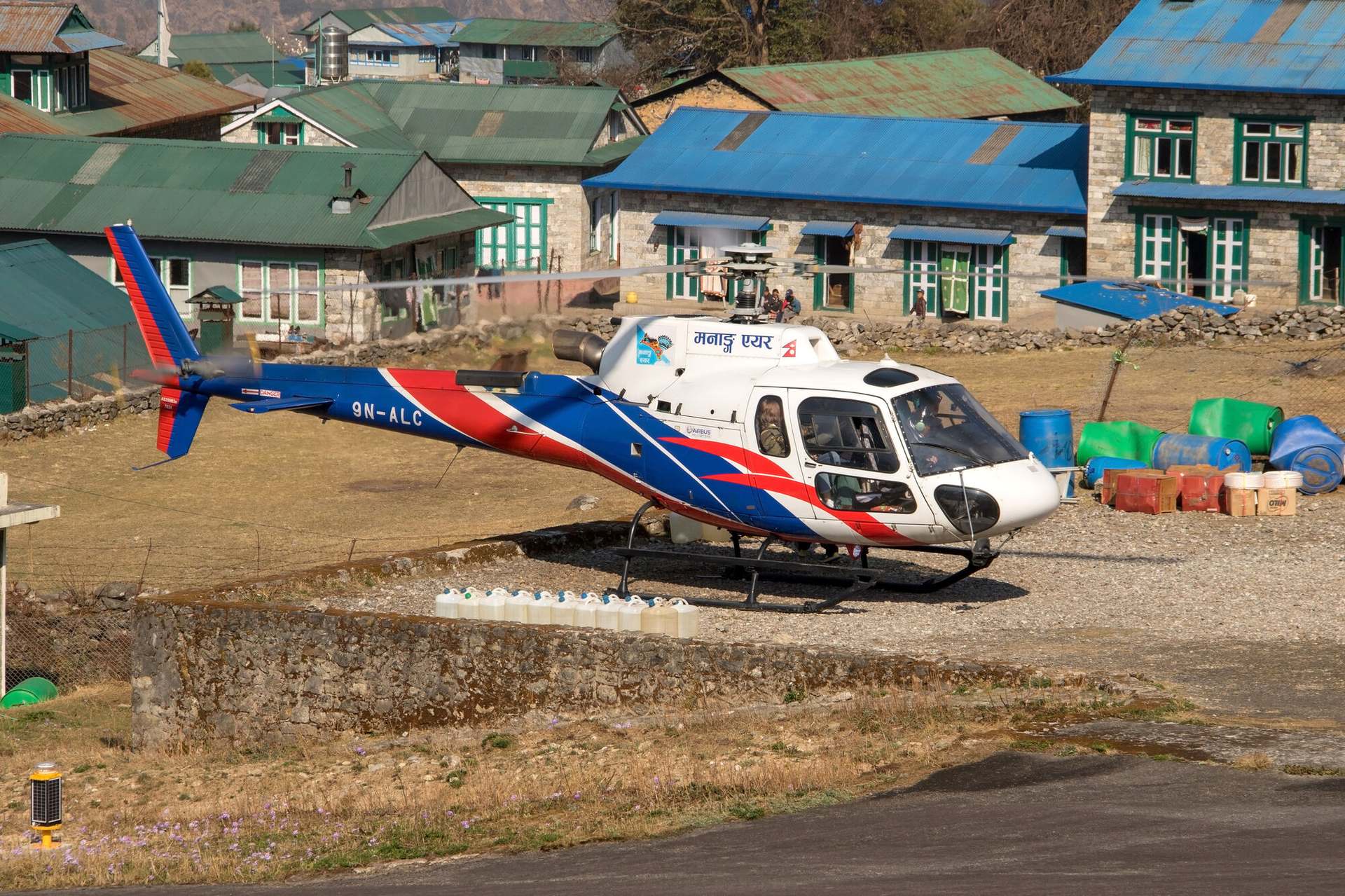
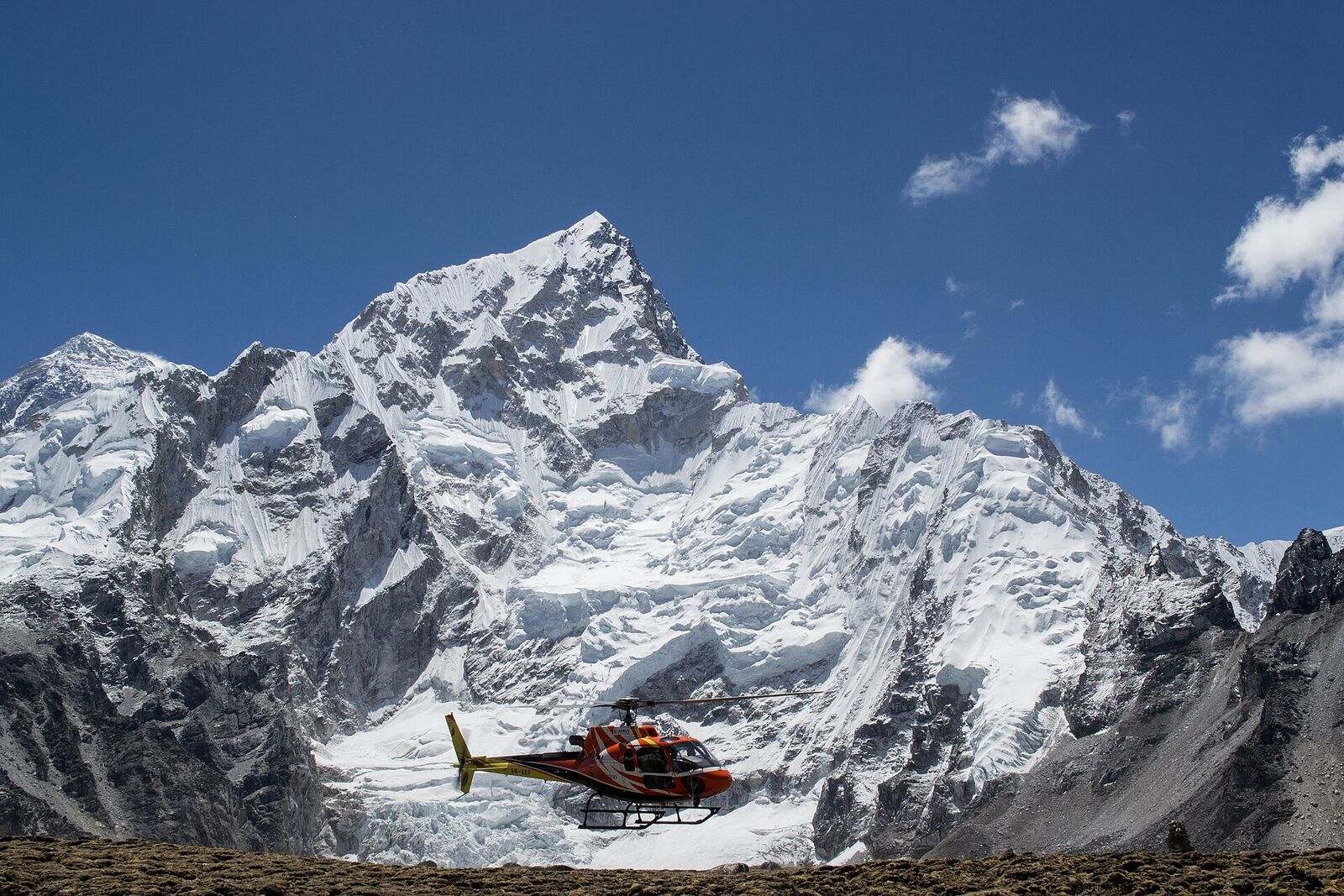
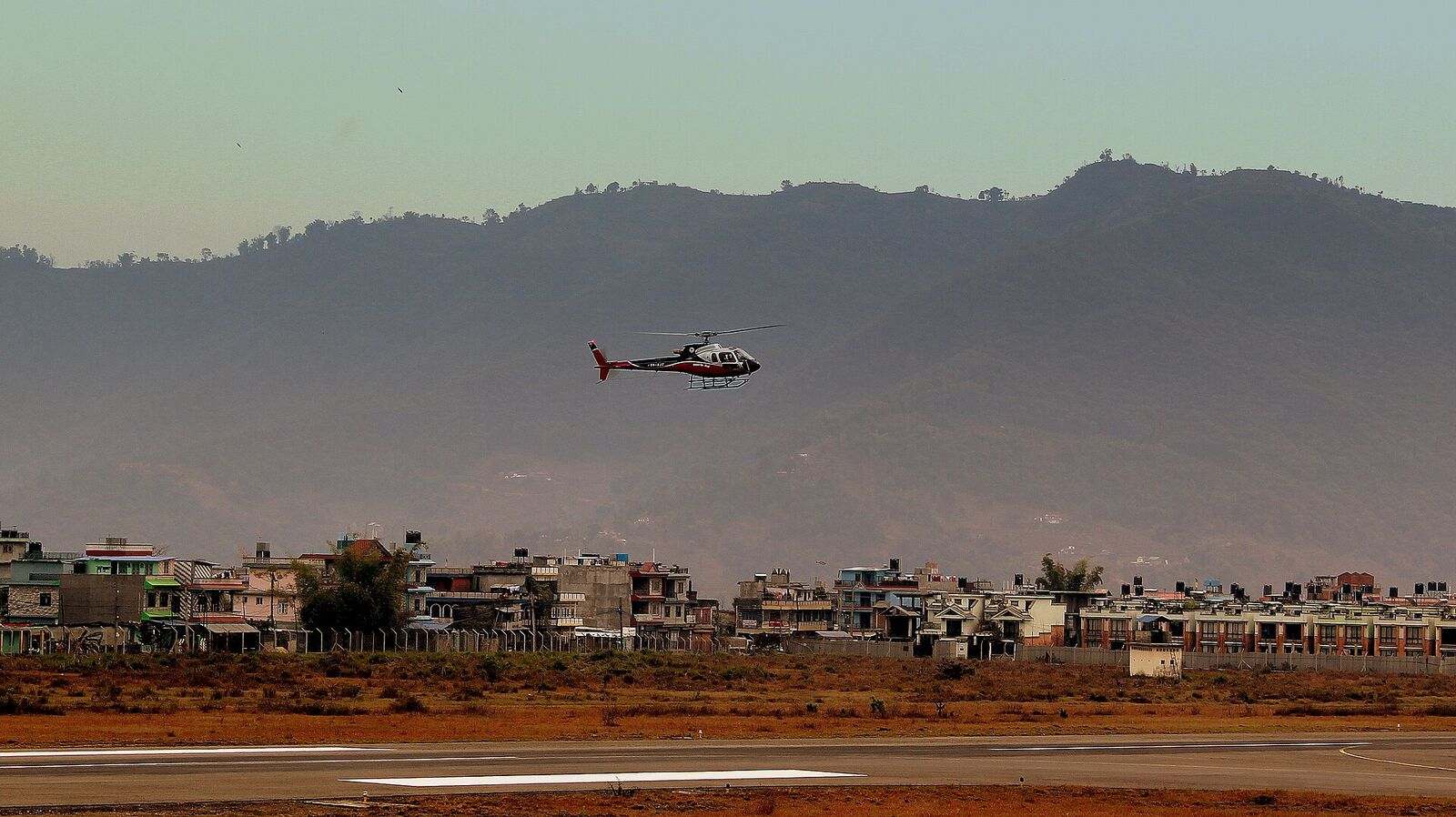
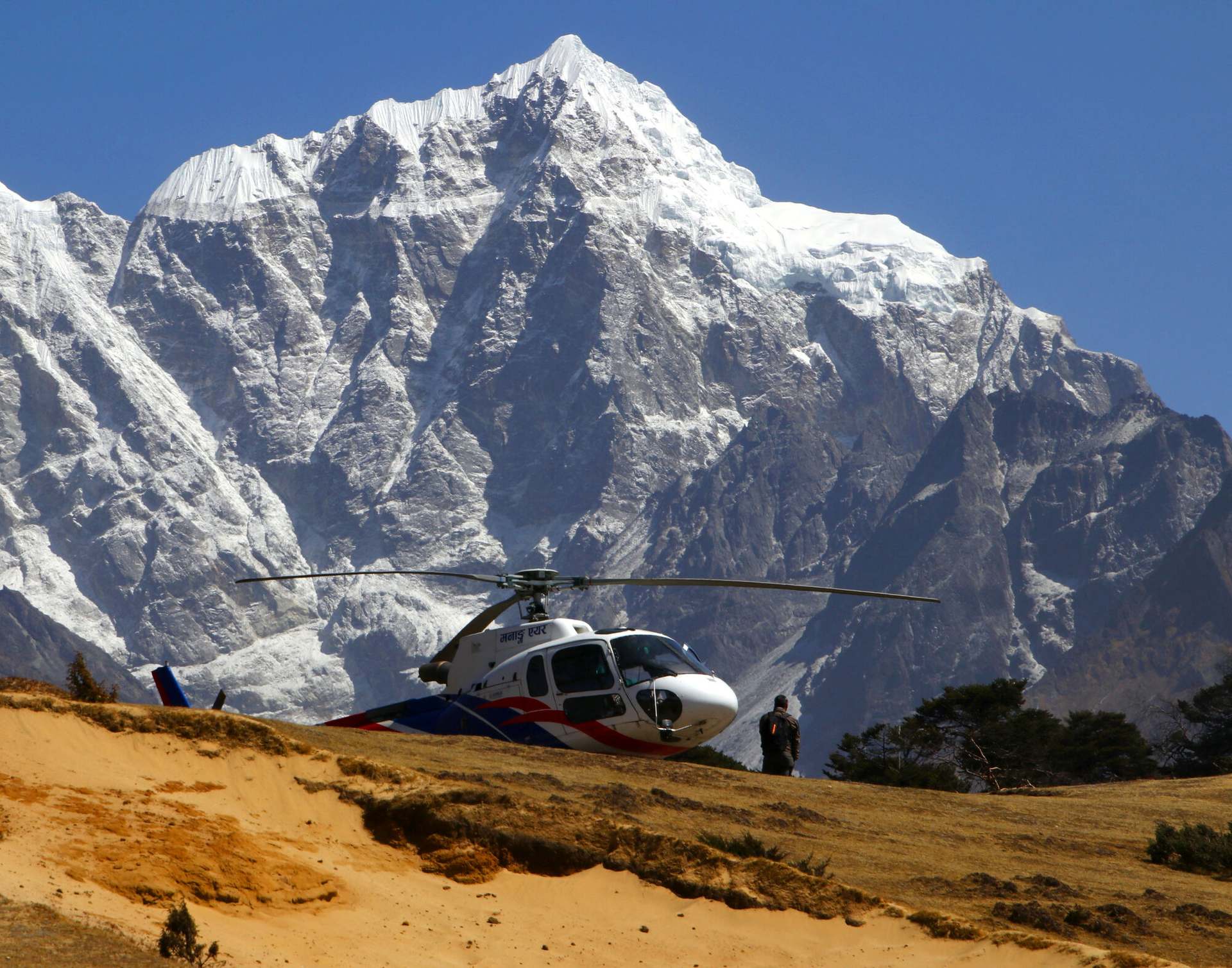
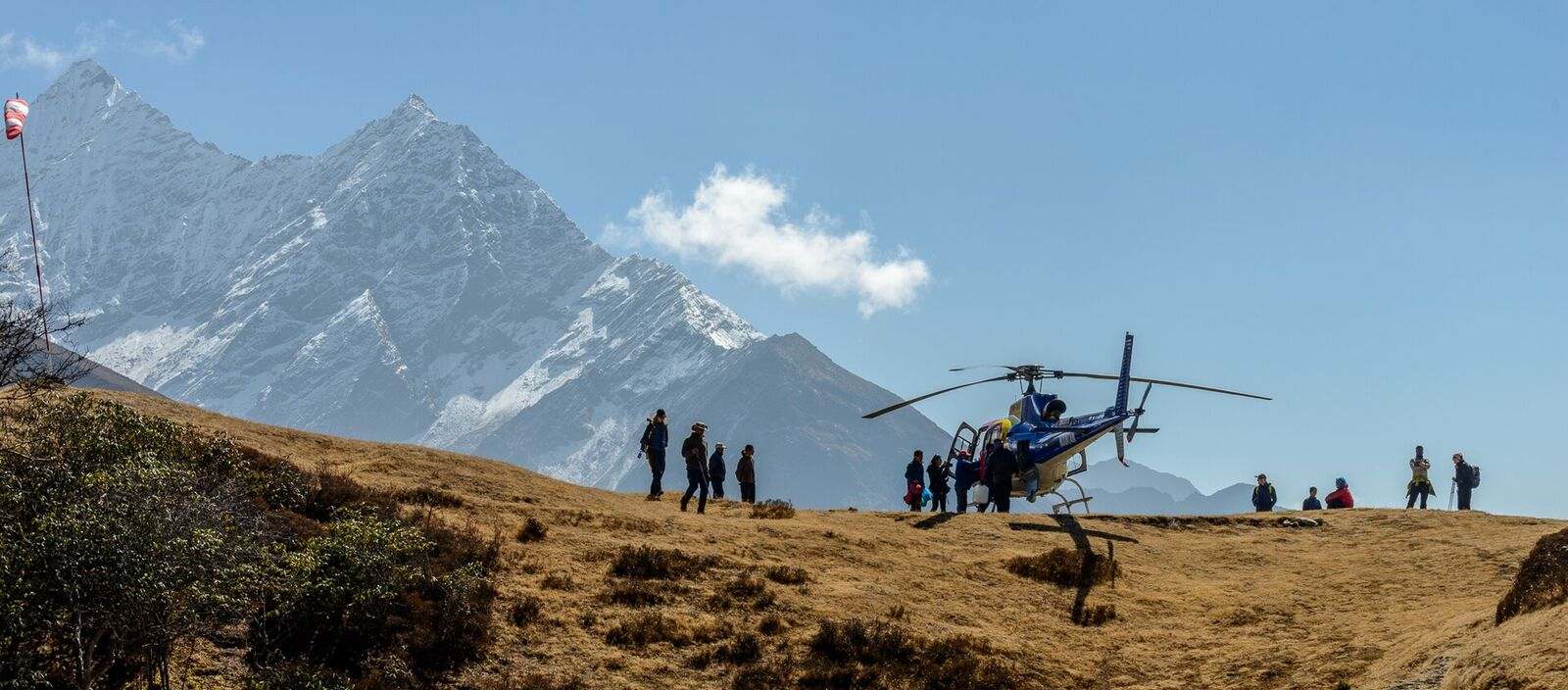
Most helicopters cruise between 110 and 140 knots. Airbus gives the H125, the type flying Nepal's Khumbu, a fast cruise of 136 knots, 252 km/h.
Written between flights
Go Heli Nepal
18 posts filedlatest
Which month to fly which valley, what a Himalayan helicopter morning actually involves, and how weight and altitude decide your flight. Dated on purpose — unlike the guides, these are about a season and a story rather than a standing question.
Posts published
Subjects covered
End to end
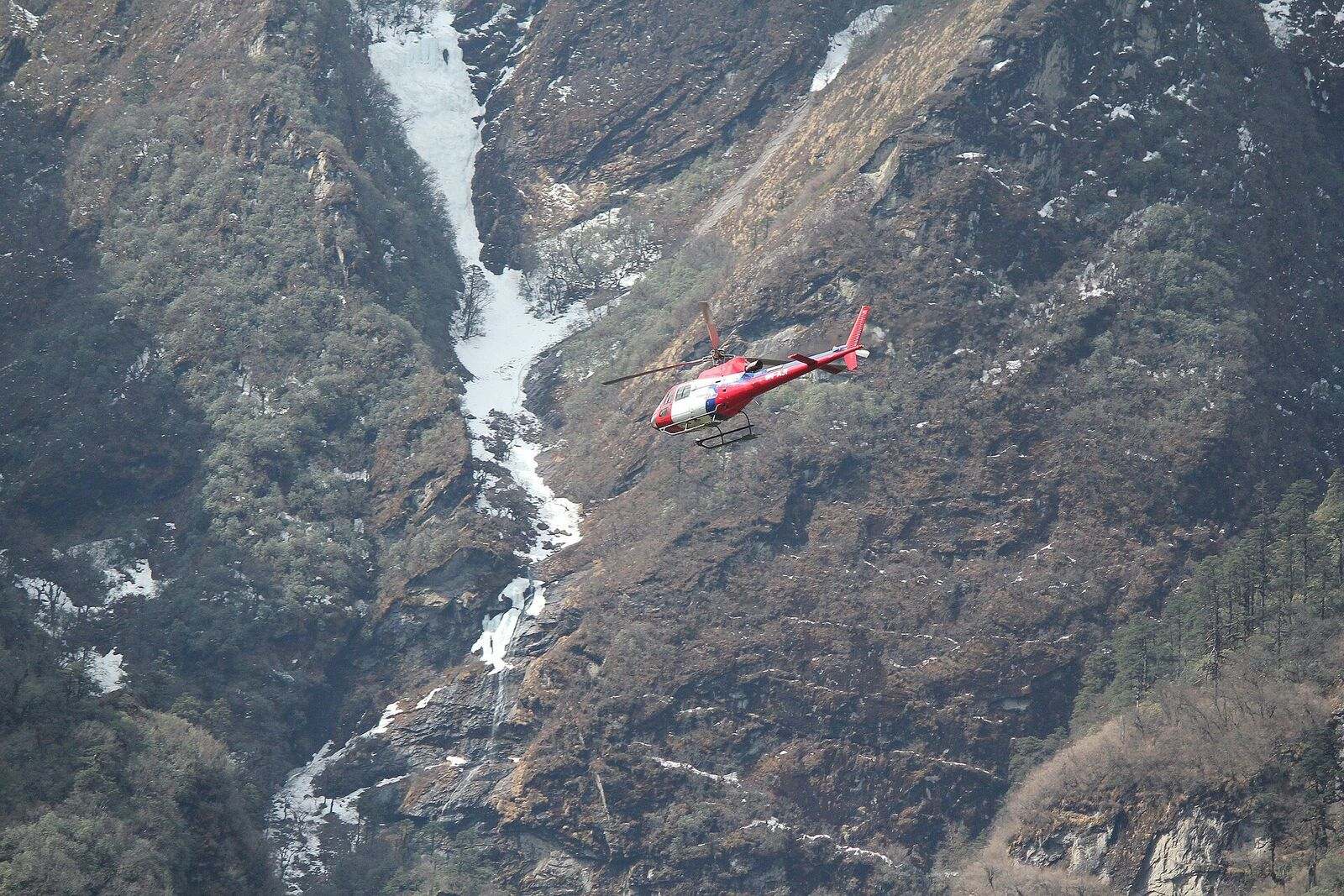
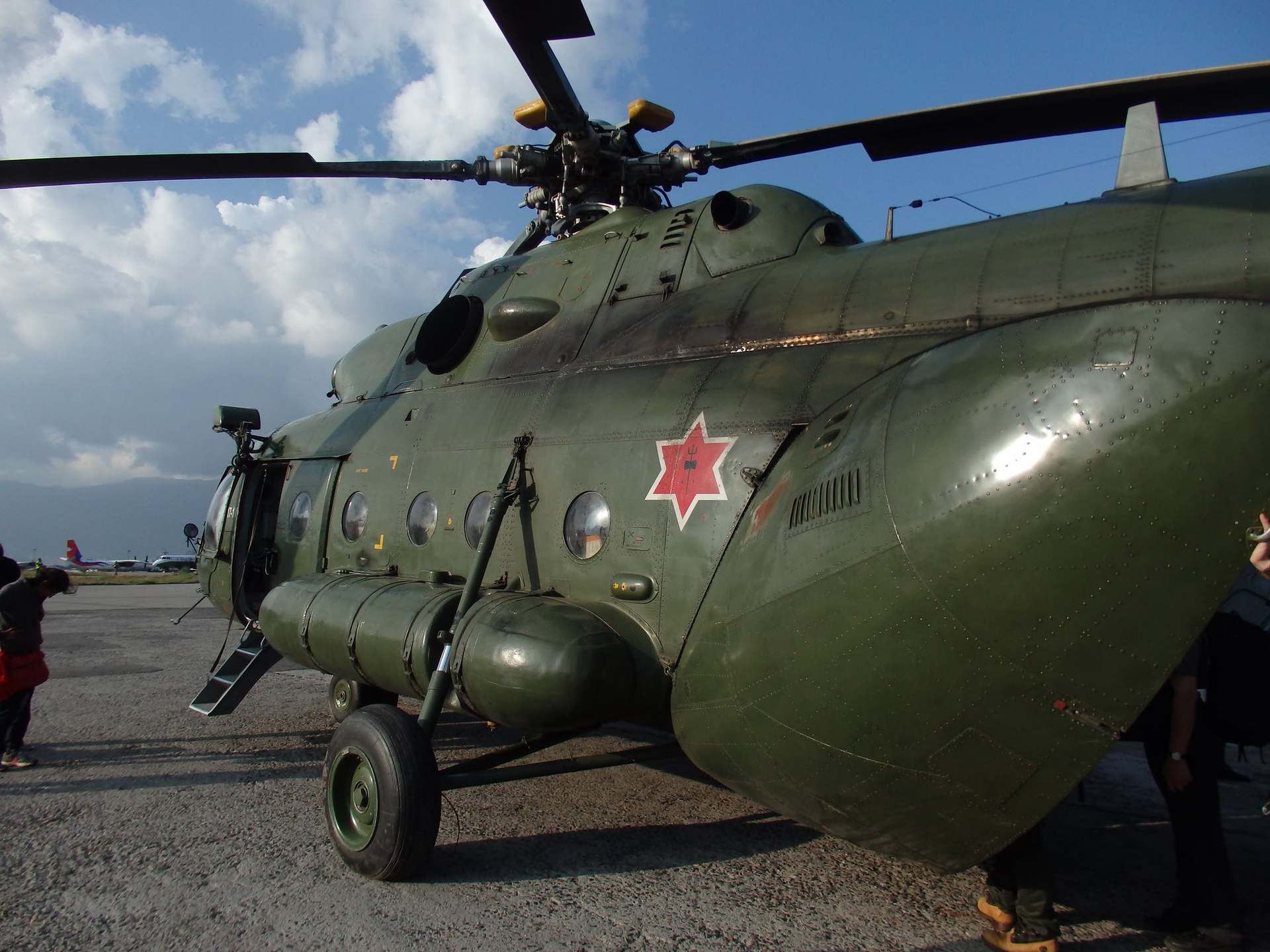
© Vyacheslav Argenberg / Wikimedia Commons · CC BY 4.0Most helicopters cruise between 110 and 140 knots. Airbus gives the H125, the type flying Nepal's Khumbu, a fast cruise of 136 knots, 252 km/h.
The register
18 of 18 shown
Most helicopters cruise between 110 and 140 knots. Airbus gives the H125, the type flying Nepal's Khumbu, a fast cruise of 136 knots, 252 km/h.
Industry9 min read

Airbus gives the H125 a maximum cruise speed of 136 knots. The never-exceed speed falls as the aircraft climbs, and the flown figure is lower again.
Industry7 min read

On 14 May 2005 an AS350 B3 settled on Everest's 8,848 m summit for 3 minutes 50 seconds. The FAI ratified a take-off record, not a landing one.
Industry7 min read

The ratified record is 12,442 m, set in 1972 and never beaten. Why the ceiling on a spec sheet is not the height a helicopter can hover or land at.
Industry8 min read

Airbus certifies the H125 to 7,010 m and to a hover out of ground effect at 3,840 m. Everything about flying in Nepal sits between those two numbers.
Industry7 min read

A flood with no rain behind it took the only road into Rasuwa on 26 August. What it destroyed in one morning, and how the district was reached after.
Safety9 min read

A private Everest charter costs seven to eight times one seat and carries five. The group size where chartering stops being extravagant and starts paying.
Practical5 min read

A helicopter without an engine is not a brick. What autorotation is, why thin air makes it harder, and what a pilot plans for on every high approach.
Safety5 min read

Twelve months, three elevations, one table. What the mountain is actually doing in the month you are thinking of going, and what to wear for it.
Practical6 min read

In May 2005 a test pilot put an AS350 B3 on the summit and held it there four minutes. Twenty years on nobody has repeated it, and nobody sells it.
Industry5 min read

The airstrip everyone calls the world's most dangerous is built that way on purpose. What the 11.7% slope does, and why there is no second attempt.
Practical5 min read

Two numbers decide whether your policy pays for the flight: the altitude limit and the evacuation cap. Most travellers have read neither before flying.
Safety6 min read

October and November give the clearest air of the year. What each season looks like from the cockpit, and the months when the flight will not happen.
Route guide6 min read

A 75 kg limit is not an insult, it is physics. What thin air at 4,000 m does to a helicopter's lifting capacity, and why your duffel counts too.
Safety5 min read

You are going from a teahouse at 4,000 m to Kathmandu in ninety minutes. Pack for both ends, for the twenty minutes between, and for the weight limit.
Practical4 min read

Who dispatches the aircraft, who pays for it, how long it takes to reach the Khumbu, and the insurance clause that catches trekkers out every season.
Safety7 min read

Two hard days of road travel become one morning. What darshan by helicopter actually involves, the altitude at Muktinath, and why older pilgrims manage it.
Route guide5 min read

Five certified operators quote the same Everest morning and prices differ by about fifteen per cent. Where the spread comes from, and what you can change.
Industry6 min read

End of register