
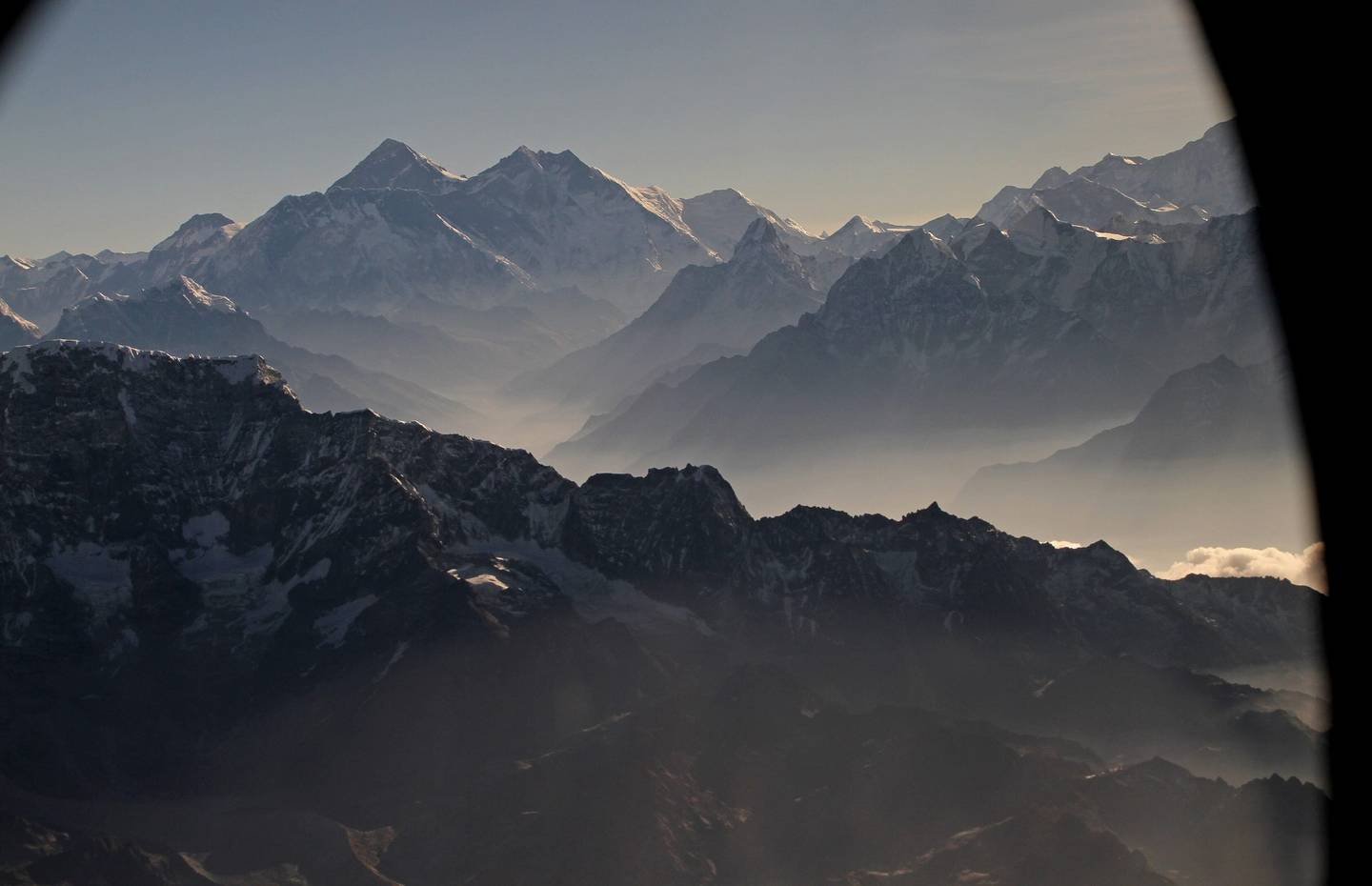
Nepal has two main flying seasons worth planning around, one shoulder season that works more often than people expect, and one season when flights are frequently disrupted by weather.
The difference can be significant. In late October, clear mornings are common in the Khumbu; in late July, cloud and rain may prevent flights for several consecutive days. Mount Everest is the same mountain in July as in October. What changes is the visibility and flying conditions around it.
When is the best month for an Everest helicopter tour?
October and November are generally the most reliable months of the year, while June to September are the least predictable. The four seasonal periods below explain what operators typically consider when scheduling an Everest Base Camp helicopter tour.
| Months | Air and visibility | What to expect from the schedule |
|---|---|---|
| October–early December | Generally clear mornings after the monsoon; winter winds become more likely later | Busy schedules. Peak demand; consider booking 2–4 weeks ahead |
| March–May | Good visibility, though hazier than autumn; afternoon clouds develop earlier | Expedition season. Early-morning departures are preferred |
| June–September | Monsoon clouds and rainfall can close the valley for days | Frequent delays and cancellations. Keep spare days in your itinerary |
| January–February | Dry air and often clear mountain views; very cold at high altitude | Flights operate when conditions allow. Dress for cold temperatures and wind |
Weather, not just availability, is the main constraint outside October–November. Flight options and per-operator prices are on the Everest Base Camp helicopter tour page, and the temperature at each elevation month by month helps you decide what to wear.
Why is October to early December the best window?
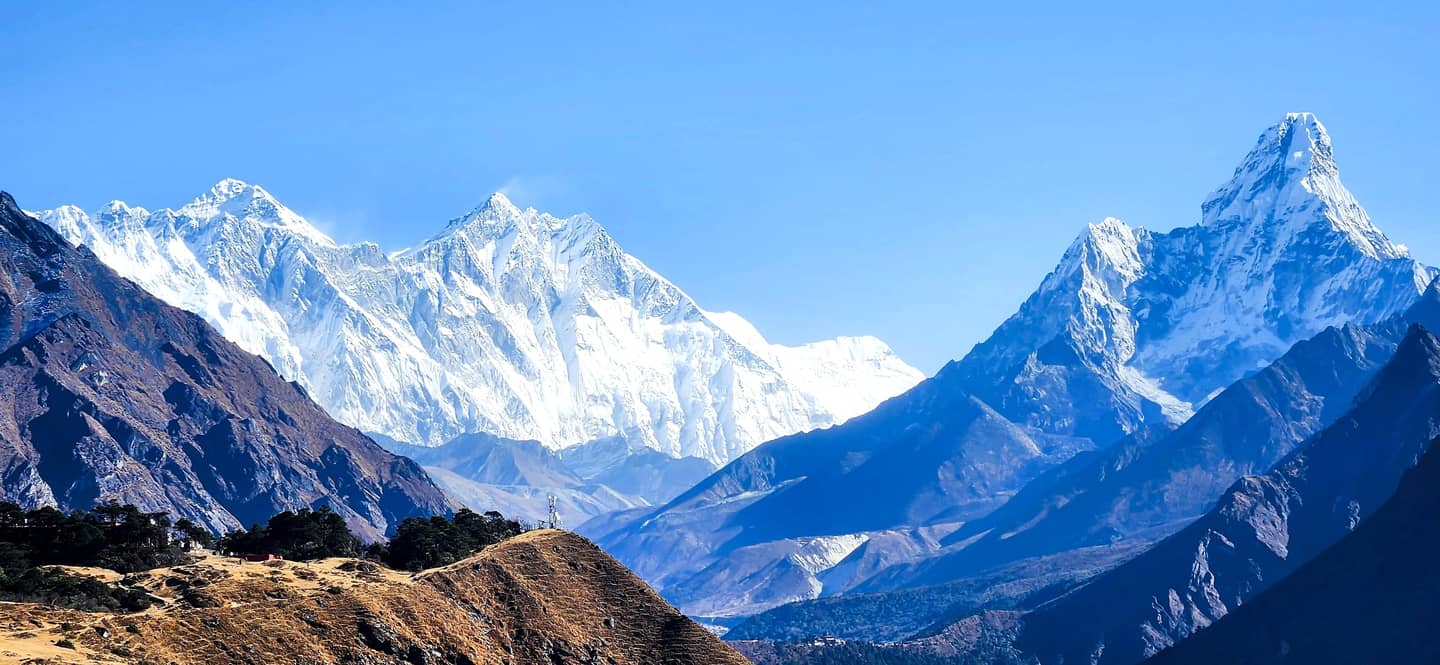
The monsoon has cleared much of the haze from the air, while stronger winter winds are generally less frequent earlier in the season. Visibility is often excellent, and morning conditions are typically more favourable for helicopter operations.
This is also one of the busiest and most expensive periods. Booking two to four weeks ahead is advisable for a shared seat, and earlier if you want a private aircraft on a fixed date.
Even during the best flying season, mountain weather can change quickly. Keeping one or two spare mornings in Kathmandu gives you more flexibility if your flight is delayed.
Is spring a good time to fly to Everest Base Camp?
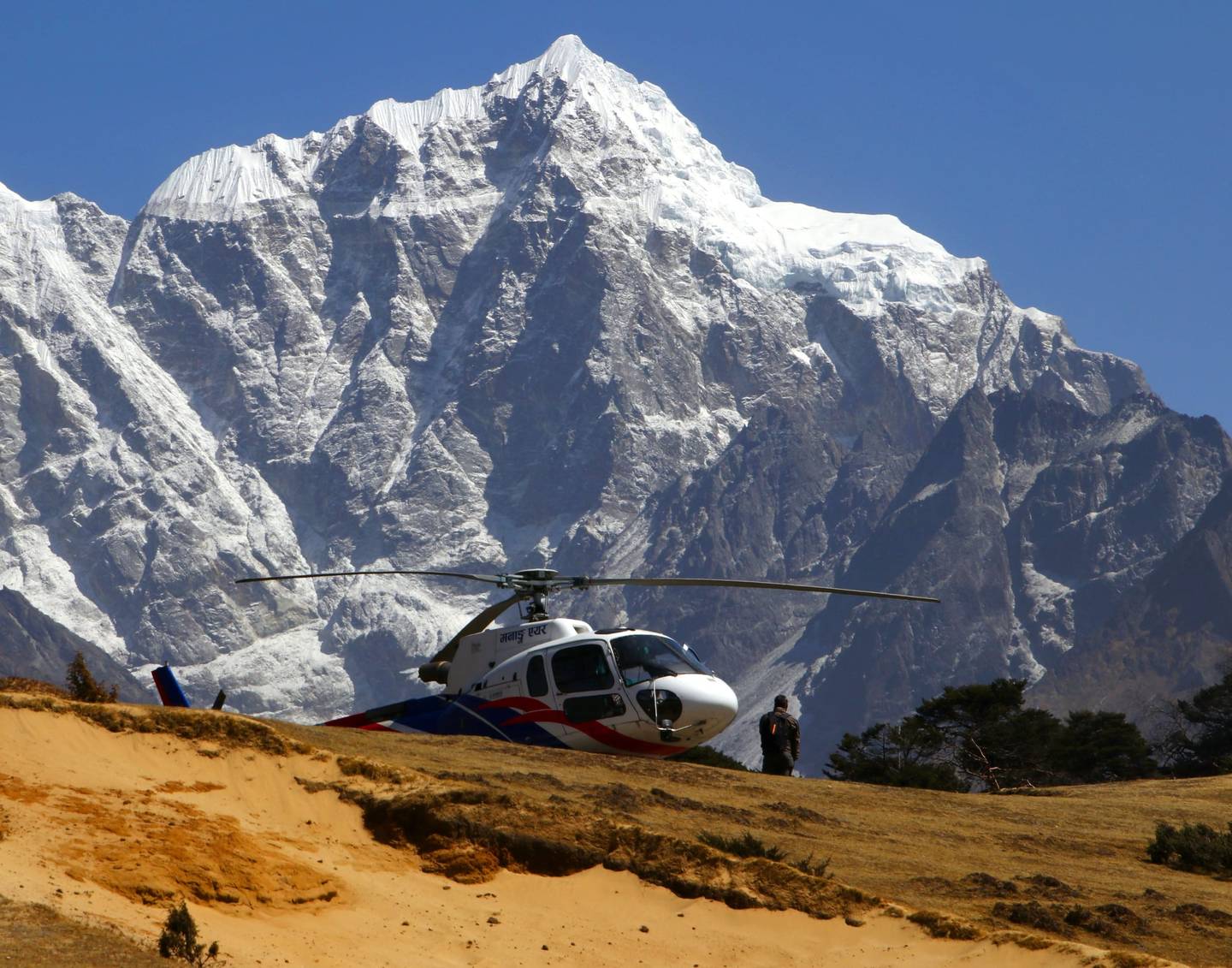
Spring brings the expedition season, when climbing teams establish their camps at Everest Base Camp. The helicopter tour flies over the area and, when permitted and conditions allow, lands at Kala Patthar, 5,545 m, for mountain views. Helicopters do not land at Everest Base Camp in any season.
Spring air is generally hazier than autumn, and afternoon clouds tend to develop earlier, so departures are usually scheduled close to first light.
March to May remains an excellent alternative for travellers who cannot visit during October or November, especially those interested in the Everest climbing season.
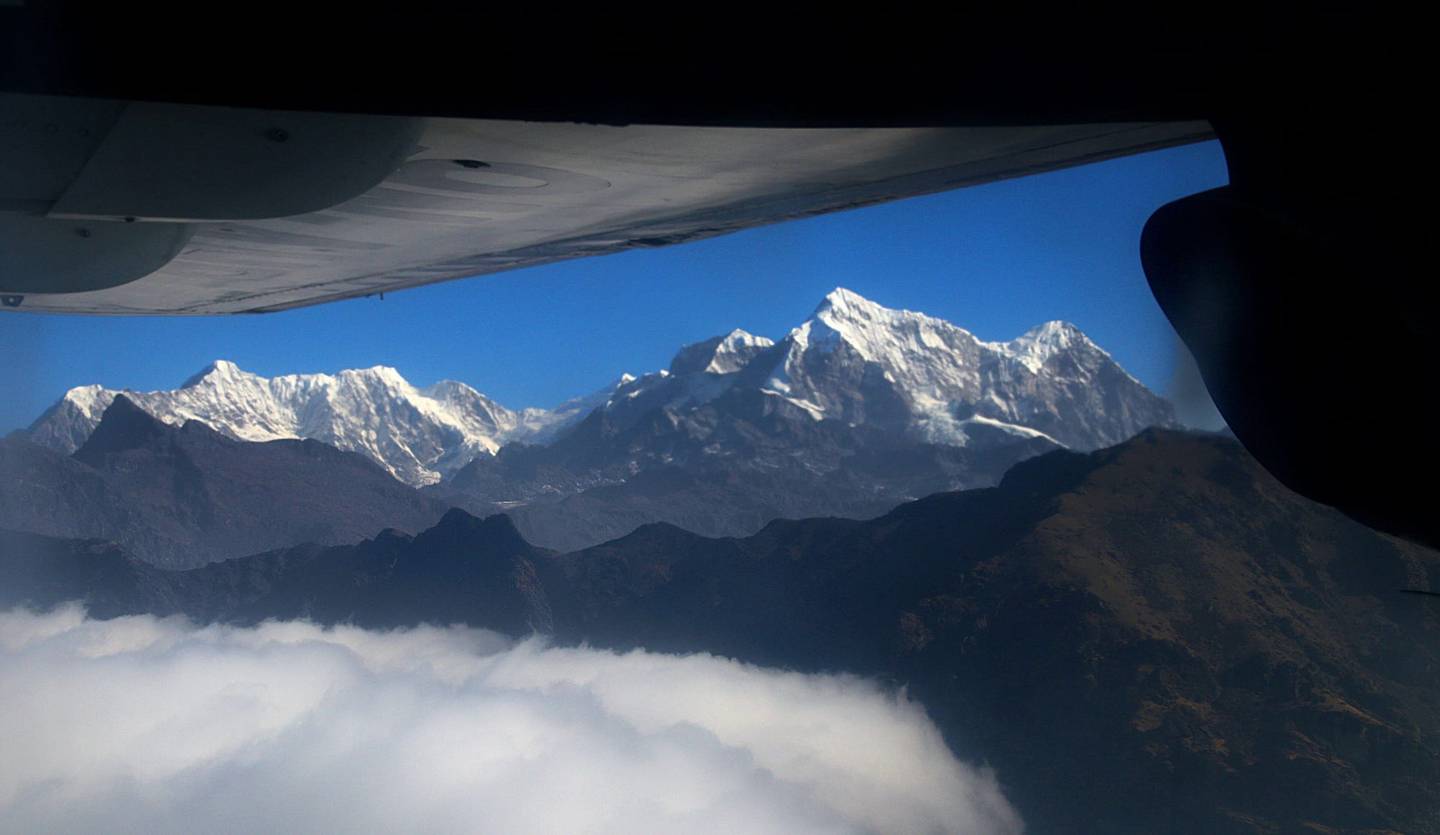 © Guillaume Baviere from Uppsala, Sweden · CC BY-SA 2.0
What happens to Everest flights between June and September?
Monsoon conditions frequently bring heavy cloud, rain, and poor visibility to the Khumbu valley. Flights may be delayed or cancelled for several days when conditions are unsuitable.
If your dates are fixed during the monsoon, allow several spare days and treat the flight as weather-dependent rather than guaranteed. The season planner shows what each month usually brings.
If the operator cancels before take-off because of weather, you can fly on another date at no extra charge; weather cancellations are not refunded. A cancellation caused by a fault or mistake on our side or the operator's is refunded in full. The details are in our cancellation and refund policy.
September is usually a transition month, with flying conditions often improving toward the end of the monsoon.
What time does an Everest helicopter tour leave, and why?
Himalayan valleys warm through the morning, causing air movement and cloud development that can reduce visibility in the Khumbu.
That is why operators generally prefer early-morning departures, often around 06:30, with the tour returning to Kathmandu before or around lunchtime.
Later departures may still be possible, but morning flights usually offer a better chance of clear mountain views. The final departure time always depends on weather, aircraft availability, and the operator's safety assessment.
Questions this article answers
What is the best month for an Everest Base Camp helicopter tour?
October and November are generally the most reliable months for an Everest Base Camp helicopter tour. After the monsoon, the air is often clearer, offering excellent views of Mount Everest and the surrounding Himalayas. March to May is the second main flying window, with the added attraction of the climbing season.
Can you fly to Everest Base Camp during the monsoon?
Yes, Everest helicopter flights can operate during the monsoon, but cancellations are more common between June and September. Cloud, rainfall, and poor visibility may prevent flights for several days. If you travel during this period, keep spare days available.
Why do Everest helicopter tours depart at dawn?
Early-morning departures generally offer better visibility and more stable flying conditions before clouds and winds develop later in the day. Many operators aim to depart around 06:30, although the actual departure depends on weather and operational conditions.
How far ahead should you book an Everest helicopter tour?
Booking two to four weeks ahead is advisable for a shared seat during the October to December peak period. Private aircraft on fixed dates may require earlier arrangements. Outside the main seasons, weather often becomes a greater concern than seat availability.
Can a helicopter land at Everest Base Camp itself?
No. Everest Base Camp helicopter tours fly over Everest Base Camp rather than landing there, in every season. The usual high-altitude landing is at Kala Patthar, around 5,545 m, which offers excellent views of Mount Everest. The landing depends on current permissions, weather, and the pilot's operational assessment.
Is the Everest Base Camp helicopter tour safe at high altitude?
Everest helicopter tours involve rapid ascent to high elevations, where oxygen levels are significantly lower. Stops at Kala Patthar are therefore kept brief, and passengers must follow the pilot's instructions. Travellers with medical conditions, particularly heart or respiratory problems, should seek medical advice before booking.